
Why Protect Riparian Areas?
Riparian areas, also sometimes referred to as riparian corridors, provide a wide range of benefits and services that are vital for maintaining water quality, flood mitigation, and overall healthy ecosystems.
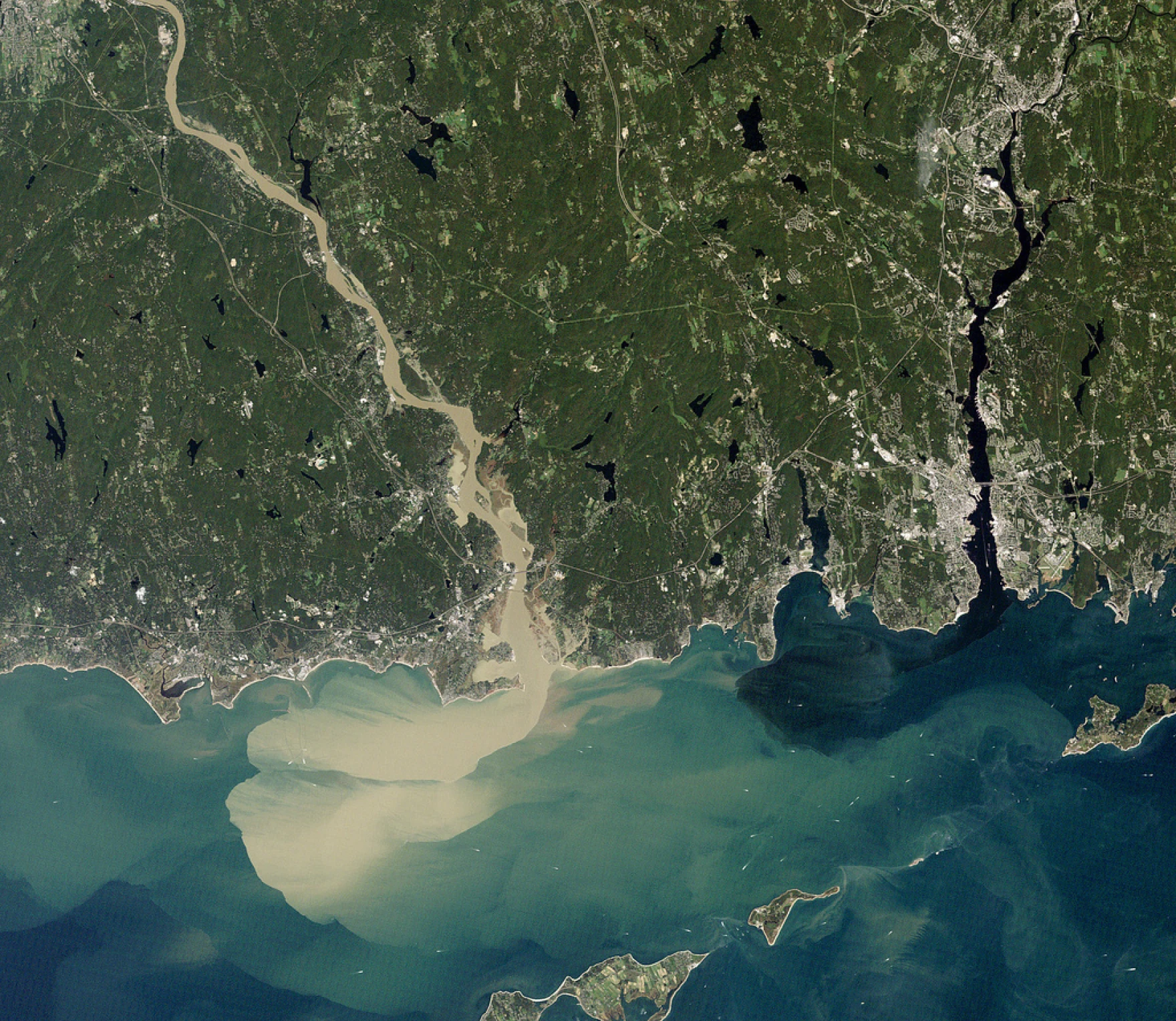
Maintain Water Quality: During heavy rainstorms, sediment and other pollutants can be washed from the landscape directly into waterbodies. Riparian areas act as a buffer between land and water and have vegetation that trap and filter these pollutants before they can cause harm.
Flood Mitigation and Shoreline Protection: Root systems from the vegetation in riparian areas slow down, absorb, and store excess water during heavy rains, which helps reduce peak flood volumes and damage. Deep-rooted vegetation also helps anchor the soil around waterbodies, thereby reducing erosion and keeping streambanks and other shorelines from collapsing.
Wildlife Habitat: Riparian areas support a high diversity of plant and animal species, offering food, shelter, breeding grounds, and connected travel paths for birds, fish, amphibians, and mammals. Tree canopies in riparian areas also cast shade over waterbodies and help regulate water temperatures.
Our Waterways Lead to the Long Island Sound
All of Connecticut's major waterways drain into the Long Island Sound. Thus, creating balanced and healthy conditions upstream is crucial for the long-term health of the Sound. Riparian areas help maintain downstream health by stopping land-based pollutants from entering water systems, thereby reducing excess sediment and fertilizers that can block sunlight and cause deadly algal blooms.