Land use is the bottom line! At CLEAR we have research, tools and outreach programs to help people make more informed land use decisions that protect their natural resources and make them more resilient to a changing climate. The Connecticut’s Changing Landscape project tracks changes going back to 1985. The Land Use Academy provides basic and advanced training for local land use commissioners, and we proudly host our Extension partners’ websites on Forestry, Tree Warden Outreach, and Connecticut Trails. In partnership with CT Sea Grant, the Adapt CT site includes the Climate Adaptation Academy, a site on Connecticut Habitats, and the Climate Corps undergraduate program (also see Environment Corps in our STEM portfolio).
Land Related Programs
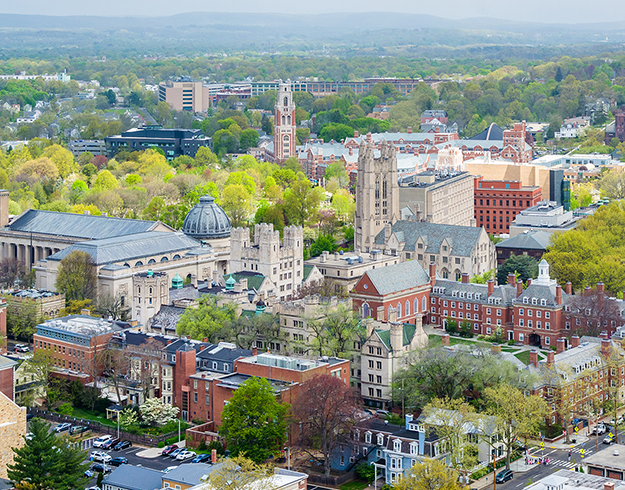
Connecticut Land Use Academy
The Land Use Academy provides practical information on the fundamental knowledge and skills needed to serve effectively on a local land use commission. The Academy offers both basic training for new commissioners, and advanced training on rotating topics for experienced commissioners. The Land Use Academy is recognized as the state’s official certification program for local commissioners in basic land use education.

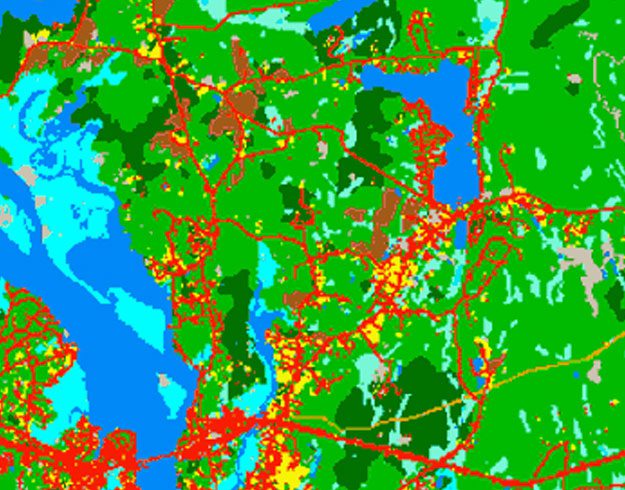
Changing Landscape
Changing Landscape is a remote sensing-based land cover study that charts landscape changes in Connecticut and portions of New York. Connecticut’s Changing Landscape project tracks changes going back to 1985. It includes information on basic land cover, as well as subsidiary analyses of riparian corridor land cover, impervious cover and forest fragmentation analysis.
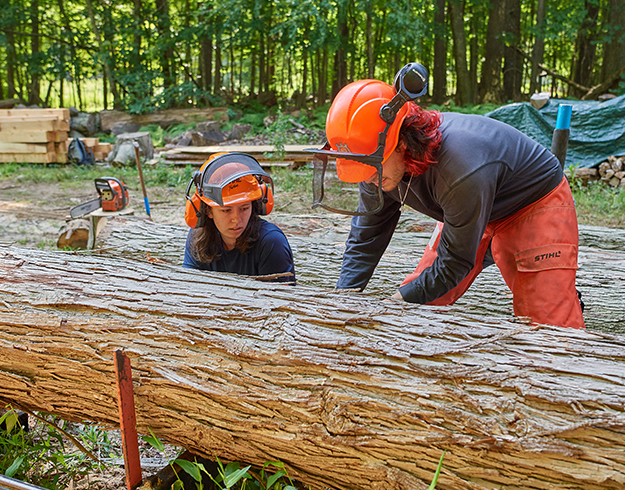
Extension Forestry
The Extension Forestry Program of the University of Connecticut provides education for natural resource professionals, elected and appointed officials, volunteers and private woodland owners who care for our state’s forests. The program seeks to improve the health, care, diversity, and management of Connecticut’s trees and forests.

Connecticut Trails
Connecticut’s bounty of natural and physical amenities - greenways, multi-use paths, parks, and forested area are some of the state’s greatest assets for encouraging physical activity. The Department of Energy and Environmental Protection (DEEP) estimates that there are over 2,000 miles of multi-use trails within CT State Parks and Forests alone (and likely over 3,000 miles including those not in the park system).
Adapt CT
The CLEAR and Sea Grant Climate Resilience Website


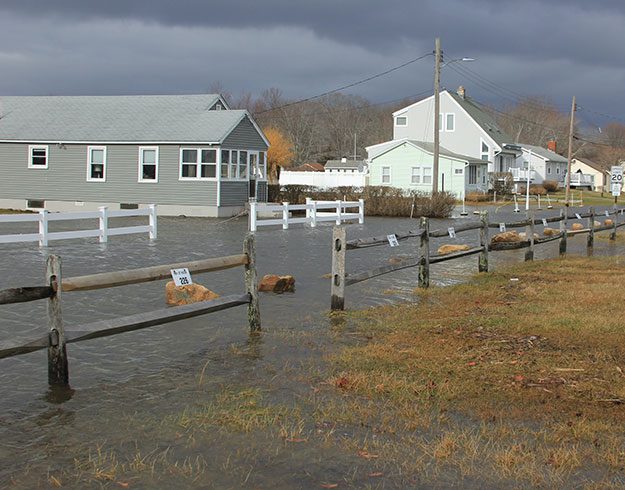
Climate Adaptation Academy
A part of the Adapt CT website. The Climate Adaptation Academy is a forum for exchange of information between researchers, outreach professionals and practitioners on topics relevant to climate resiliency strategies. The Academy is a partnership of the Connecticut Sea Grant College Program and CLEAR.
Climate Corps
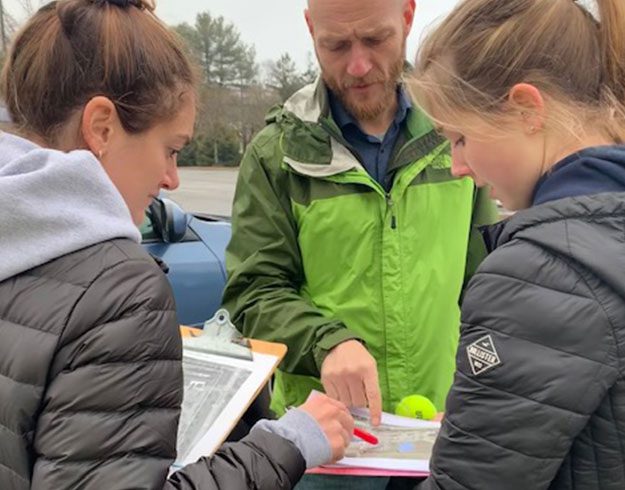
A part of the Adapt CT website. The UConn Climate Corps is an undergraduate classroom and service learning opportunity as of the Fall of the 2017-18 academic year. The program consists of a 3 credit course (Fall semester) on the local impacts of climate change, followed by a 3 credit practicum (Spring semester) during which students work with Extension faculty to assist Connecticut communities in adapting to climate change.
Connecticut’s Habitats
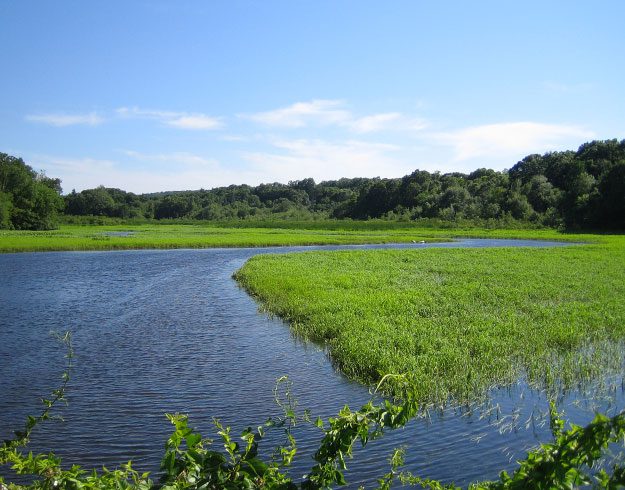
A part of the Adapt CT website. Habitats of Connecticut include: forests, woodlands, shrublands, grasslands and meadows, as well as cliffs or bluffs, rocky outcrops, vernal pools, ponds and lakes, rivers and streams. This website provides information on particular habitats and management considerations. To date, habitat information is provided for Connecticut’s coastal habitats, grasslands and riparian zones. The creation of this web page was funded in part through a grant from the Connecticut Department of Environmental Protection to the University of Connecticut.